Fall Prevention for People with Dementia
Falls are a serious risk for older adults, and the risk is higher for people living with dementia. Changes in memory, judgment, vision, balance and depth perception can all make it harder to move around safely. The good news is that many falls can be prevented.
Why dementia raises fall risk
- Forgetting to use a walker or cane
- Misjudging steps, curbs or changes in floor color
- Getting up quickly at night to use the bathroom
- Side effects from medicines that cause dizziness or drowsiness
- Restlessness and walking more, especially late in the day
Make the home safer
- Remove throw rugs, cords and clutter from walkways.
- Add bright, even lighting, plus night lights between the bedroom and bathroom.
- Install grab bars by the toilet and in the shower, and use a shower chair.
- Use contrasting colors, such as a colored toilet seat or tape on the edge of a step, so surfaces are easier to see.
- Keep everyday items within easy reach.
Help the person stay strong
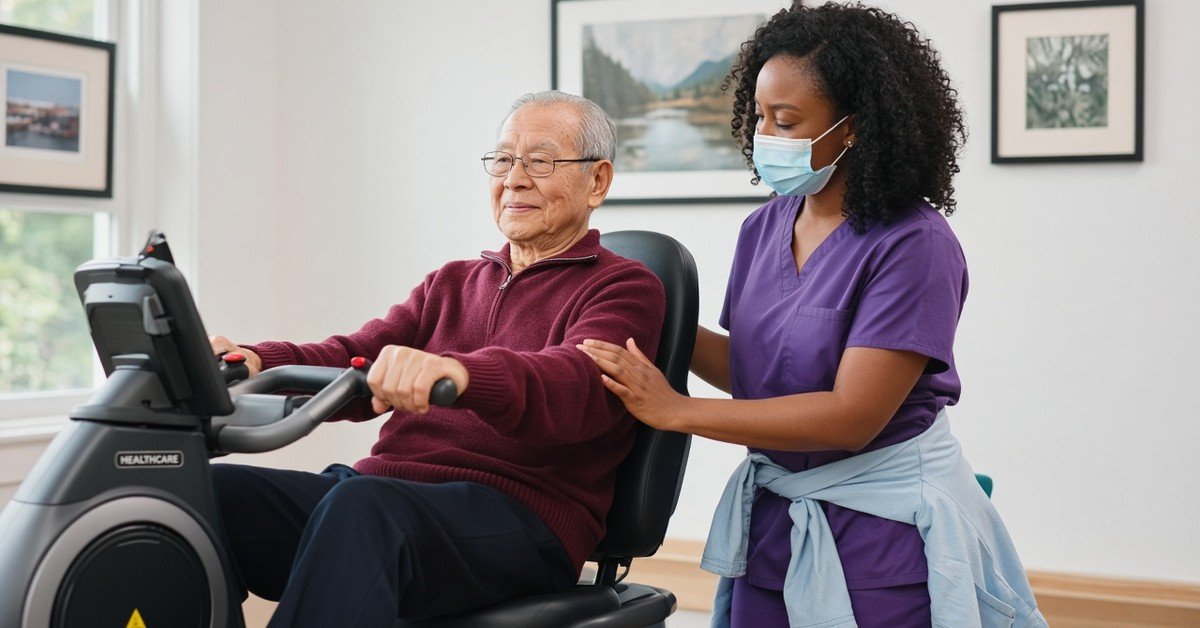
Regular walking and simple balance and strength exercises help maintain mobility. Ask the doctor about physical therapy if your loved one seems unsteady.
Review medicines and health
Ask the doctor or pharmacist to review all medications, including over-the-counter sleep aids, for fall risk. Have vision and hearing checked regularly, and make sure shoes fit well and have non-slip soles.
Watch for patterns
Many falls happen at the same times or places, such as rushing to the bathroom at night. A regular toileting schedule, a comfortable routine and a calm environment can lower that risk. In a memory care home, trained caregivers watch for these patterns and adjust care to keep each resident safe while protecting their independence.
Have questions about memory care for someone you love? Call Generations Senior Living at (352) 474-2696 or schedule a tour of one of our three homes near The Villages.